
Ab o u t M a l e i y k a
Psychologist & Dance Movement Therapist in Berlin
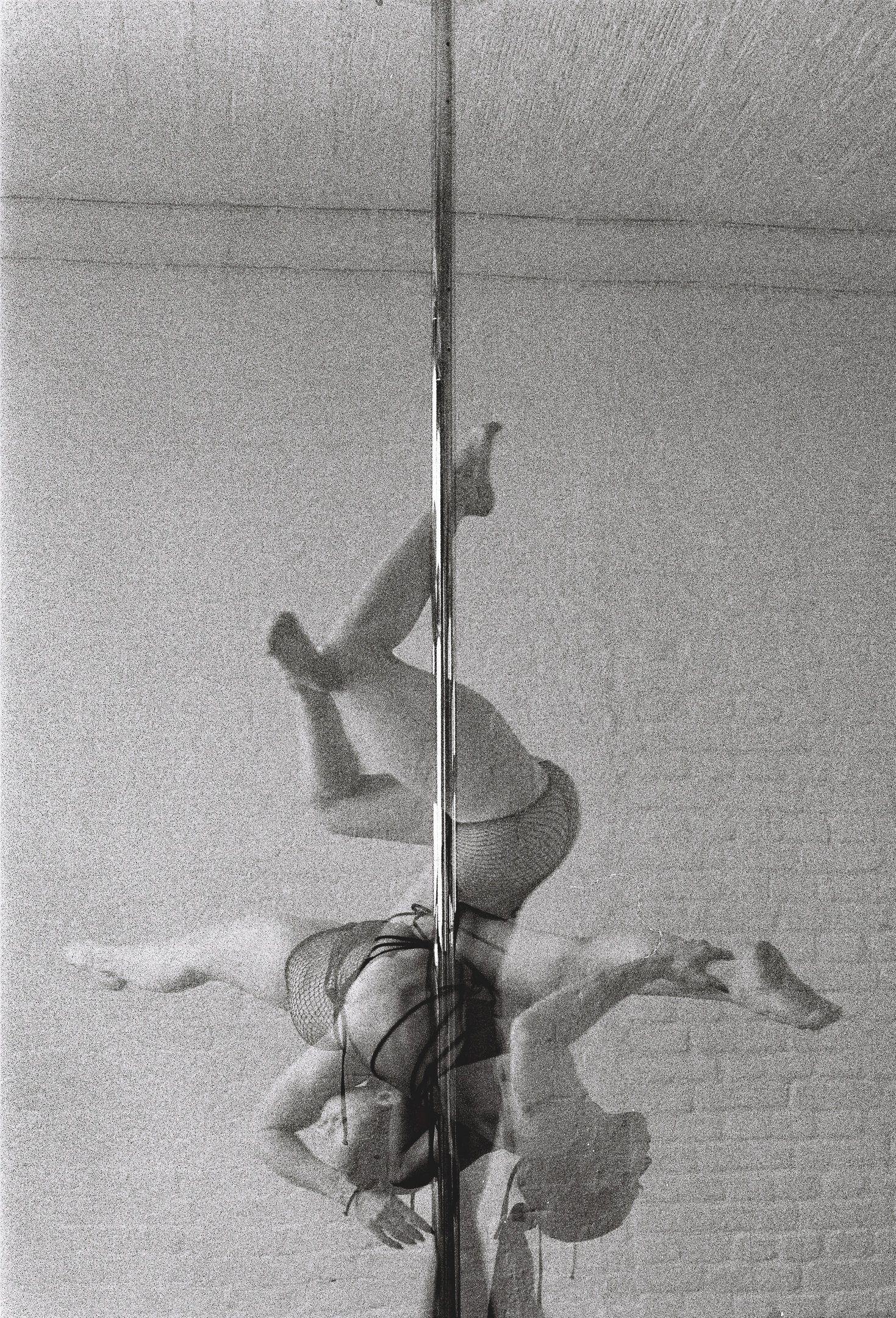
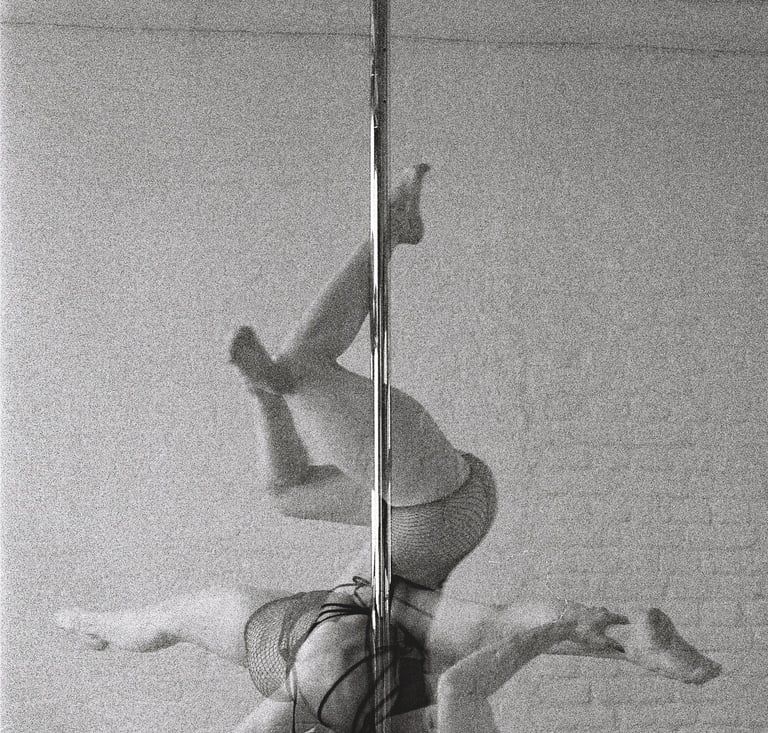
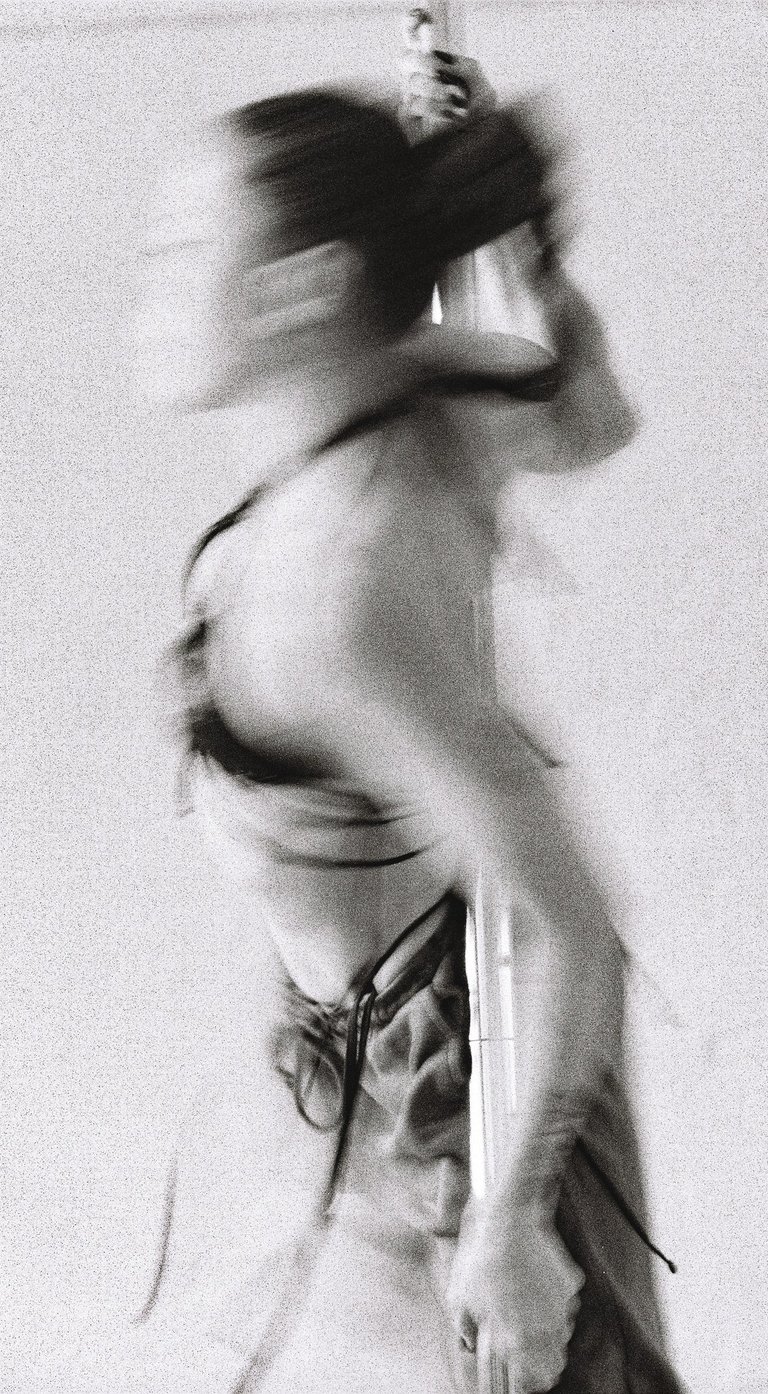
I’m Maleiyka, a Berlin-based psychologist, pole dance instructor and dance movement therapist. My work combines somatic practices and psychological insight to create trauma-informed spaces where movement can support self-awareness, nervous system regulation and personal transformation.
Through pole dance and embodied exploration, I guide people toward reconnecting with their bodies, discovering new forms of expression and developing a deeper relationship with their internal experience.
My path into movement
I began teaching pole dance in 2017. Over the years I have guided students through technique, heels, flexibility and meridian-inspired practices influenced by Traditional Chinese Medicine.
Alongside my psychology degree from Humboldt-Universität Berlin and my training in movement therapy, my work gradually expanded beyond technical instruction into a more embodied and therapeutic approach to movement.
During periods of depression and chronic illness, movement became my most honest language. My body — a place of both vulnerability and resilience — helped me process experiences that words alone could not hold. That relationship with movement continues to shape how I teach and hold space today.
“By manipulating the movement, embroidering and embellishing it, we find out more about it, nudging into the cracks, penetrating its core and seeing what indeed it is all about.”
- Lynn Anne Bloom
My Therapeutic Approach
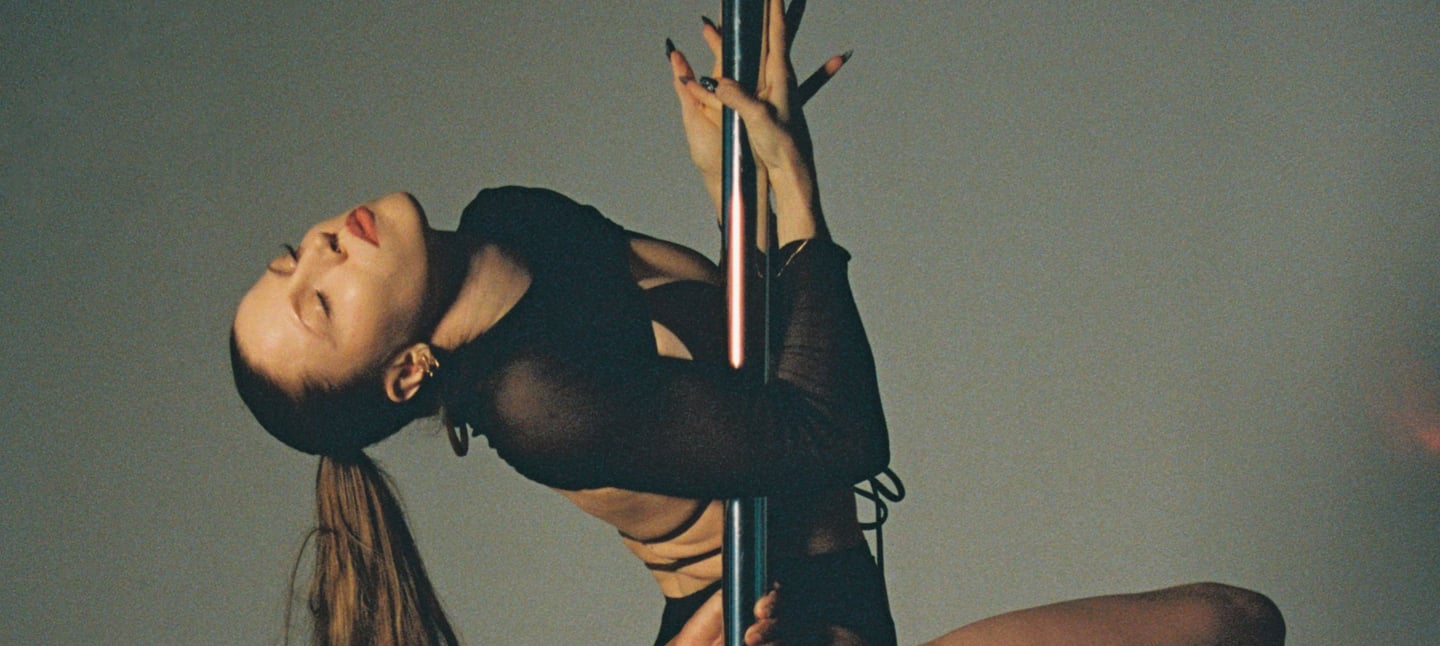
I’m here to gently guide people through restorative and expansive processes of growth, learning and healing. Learning to decode the body’s signals can support everyday challenges, relieve stress-related symptoms and deepen clarity, self-trust and embodied insight.
My work focuses on weaving pole dance with therapeutic and somatic practices, using movement as a mirror for inner needs, limiting beliefs and the way emotions live within the body.
In my sessions in Berlin, pole dance and somatic movement are approached not as performance but as tools for exploration, nervous system regulation and embodied awareness.
When helpful, complementary energy-based practices can support deep relaxation and help the nervous system settle.
What You Can Expect
In my classes and sessions, I offer a trauma-informed space for every BODY, combining embodied curiosity with in-depth technical guidance.
Rather than focusing only on performative precision, we explore sensation-based movement, authentic expression and the insights that can emerge through the body.
Respecting the Roots of Pole Dance
Movement is relational. Our bodies carry stories shaped by culture, history, trauma and power.
My approach is grounded in collective care and body sovereignty, with deep respect for the roots of pole dance in strip club culture. Strippers have long been pioneers in reclaiming agency, expression and embodied power.
Honoring that lineage means centering liberation, pleasure and radical self-expression in how we move and how we relate.